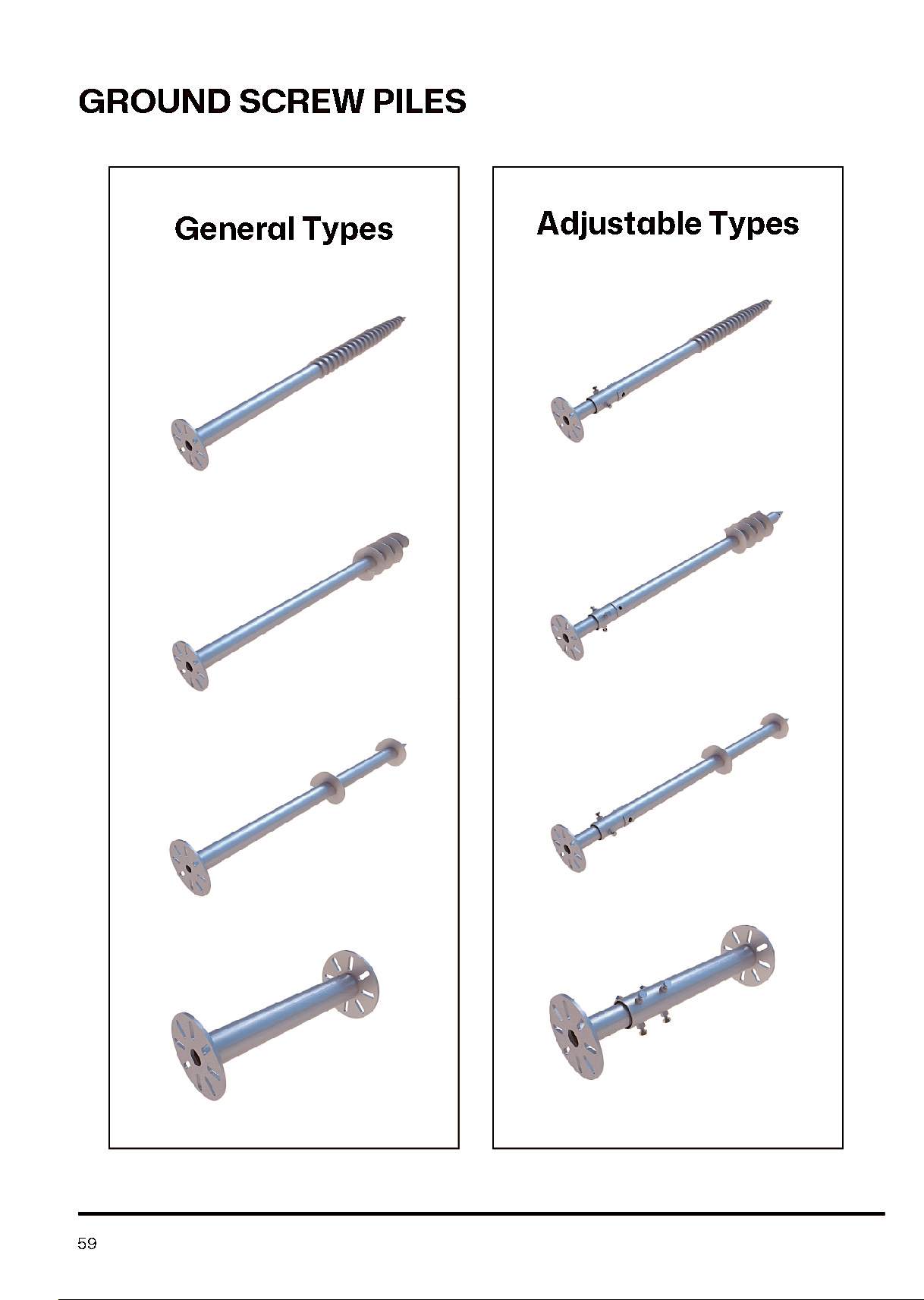
تُعدّ الركائز اللولبية (وتُسمى أيضاً الركائز الحلزونية) حلاً أساسياً شائعاً للمشاريع السكنية والتجارية والمدنية. ولا يعتمد أداؤها على جودة الفولاذ فحسب، بل على تصميم الحلزون أيضاً، وهو العامل الأساسي الذي يحدد قدرة تحمل الأحمال والاستقرار.
من بين جميع التصاميم، يبرز الركيزة اللولبية المزدوجة (اللولبية المزدوجة) بفضل استقرارها الفائق، مما يجعلها مثالية لمعظم المشاريع في نيو ساوث ويلز (NSW) وخارجها.
لماذا تُستخدم الأوتاد اللولبية المزدوجة؟ المزايا الرئيسية
بالمقارنة مع الركائز الحلزونية المفردة، توفر الركائز الحلزونية المزدوجة فائدتين أساسيتين:
استقرار أفضل: يضمن الهيكل الحلزوني المزدوج توزيعًا متساويًا للحمل، مما يمنع الميلان أو التحرك أثناء الاستخدام.
قدرة تحمل أعلى للأحمال: تعمل مساحة التلامس المتزايدة مع التربة على تعزيز التماسك، مما يجعلها مناسبة لأنواع التربة المختلفة (بما في ذلك الطين والرمل والطمي).
أربعة عوامل رئيسية لجودة عالية في بناء ركائز لولبية مزدوجة الحلزون
حجم الحلزون: قم بمطابقة قطر الحلزون مع ظروف التربة - أقطار أكبر (150-300 مم) للتربة الناعمة/الرملية، وسماكة مناسبة للتربة الكثيفة/الطينية.
تباعد اللولب: يجب أن تكون المسافة بين الحلزونين 2-3 أضعاف قطر الحلزون لتجنب ضغط التربة وضمان توازن الحمل.
جودة المواد: استخدم الفولاذ عالي القوة (Q355 أو أعلى) لكل من العمود واللوالب؛ والجلفنة بالغمس الساخن أمر لا بد منه لمقاومة التآكل.
دقة التركيب: قم بالتركيب بعزم الدوران الصحيح (بناءً على كثافة التربة) وتأكد من المحاذاة الرأسية لمنع الميلان.
من خلال التركيز على هذه العوامل، يمكنك ضمان أن يكون الركيزة اللولبية المزدوجة موثوقة ومتينة ومناسبة لاحتياجات مشروعك المحددة.

 MF من 9 صباحًا إلى 6 م
  admin@cowellxm.com
 315 No.13 Malong Road, Huli District,Xiamen City, Fujian Province,China


Friendly Links : Sunroverpv